Increasing Demands in Electronics Manufacturing
Electronic devices continue to become smaller, faster, and more capable. This development places increasing demands on the manufacturing processes used to produce their internal components. Modern electronics manufacturing requires careful control over materials, dimensions, surface conditions, and environmental factors.
A small variation that would be insignificant in ordinary manufacturing may become important when producing sensitive electronic components. Differences in material thickness, contamination levels, or processing temperatures can affect electrical performance and product reliability.
Manufacturers therefore use specialized equipment and carefully controlled production environments. These systems help maintain consistency throughout processes such as deposition, diffusion, thermal treatment, and material preparation.
Precision is not limited to the machines performing the main production steps. Supporting equipment, handling systems, and internal processing components also influence manufacturing results. A reliable production facility must consider the performance of the complete system rather than focusing on one machine alone.
Maintaining Material Quality During Processing
Material quality is a major consideration in advanced electronics production. Semiconductor manufacturing often involves materials that must meet strict purity and performance requirements. Unwanted particles or chemical contamination can interfere with processing and affect the quality of finished components.
Production facilities use controlled environments, cleaning procedures, and suitable equipment materials to reduce these risks. The components installed inside processing systems should be selected according to their intended function and operating conditions.
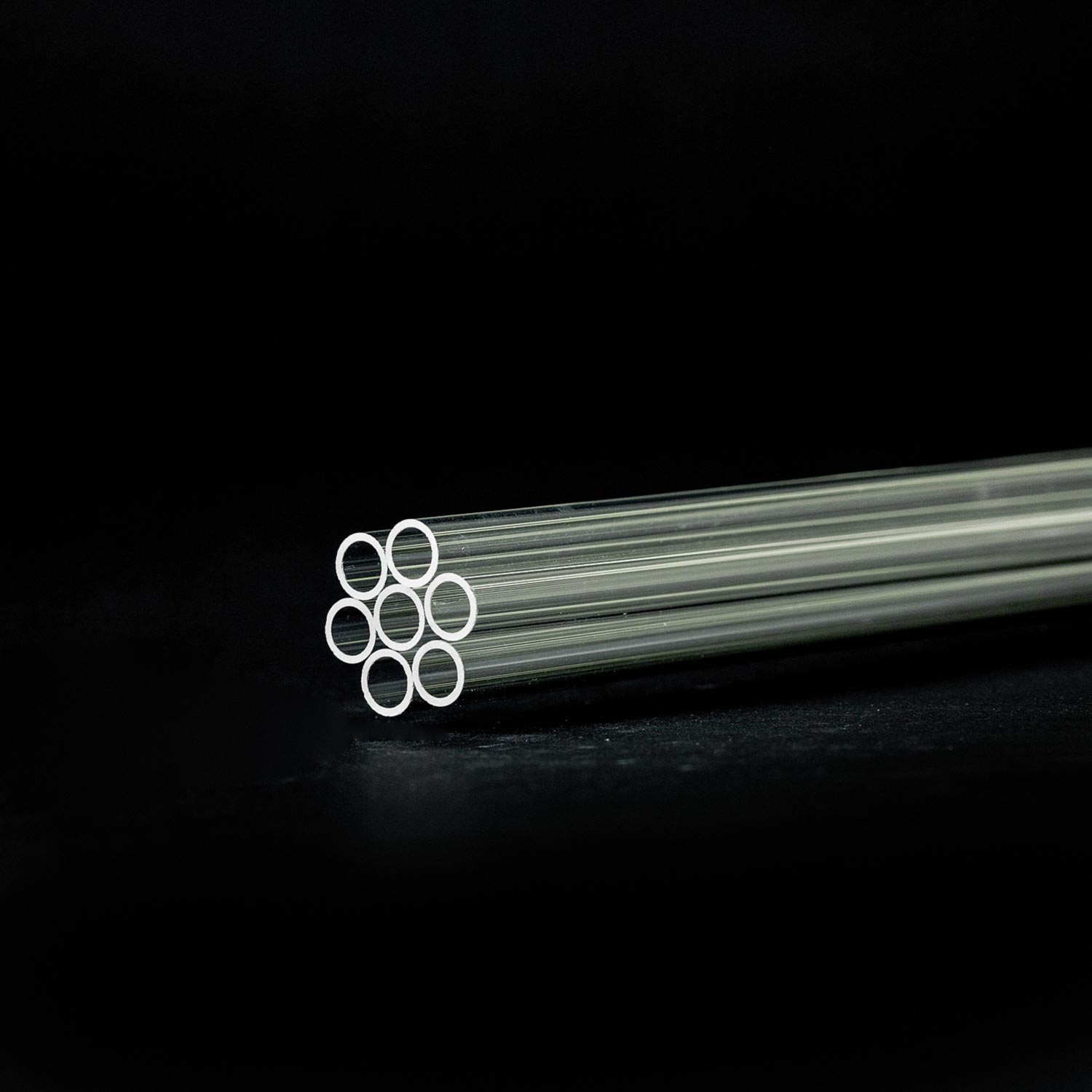
For certain high-temperature semiconductor applications, high purity quartz boats may be used to hold or support materials during thermal processing. These components need to match the dimensions and requirements of the relevant equipment. In diffusion processes, quartz boats for diffusion furnaces can be selected according to sample arrangement, temperature exposure, and furnace configuration.
The choice of processing components should involve more than a general material description. Manufacturers need to examine purity specifications, dimensional accuracy, surface condition, thermal performance, and compatibility with the production process. These details help ensure that supporting components do not introduce unnecessary variation.
Controlling Temperature in Sensitive Production Steps
Temperature control plays a significant role in semiconductor manufacturing. Many processes require materials to be heated within carefully defined ranges for specific periods. Changes in heating rates or temperature distribution can influence how materials behave during processing.
Industrial furnaces and thermal processing systems are therefore designed to maintain controlled conditions. Heating elements, insulation, temperature sensors, and chamber components must work together to produce the required environment.
Manufacturers should pay attention to temperature uniformity across the processing area. If one section becomes hotter or cooler than another, materials may not receive consistent treatment. This can create differences between samples processed in the same equipment.
Regular calibration and equipment inspection help reduce these risks. Temperature sensors should be checked according to established procedures, while heating systems should be reviewed for signs of deterioration. Engineers may also use temperature mapping to understand how heat is distributed inside a processing chamber.
Reducing Production Variation Through Process Control
Process control systems help manufacturers maintain consistent operating conditions. Sensors and automated controls monitor important variables and allow equipment to respond when measurements move outside acceptable limits.
However, effective process control requires accurate information. A sensor that has not been calibrated properly may provide incorrect readings, while an unstable component can create unexpected changes in the production environment.
Manufacturers should establish clear procedures for equipment setup, sample handling, cleaning, and process verification. These procedures help reduce differences between production shifts and make it easier to identify the source of a problem.
Data analysis can also reveal patterns that are difficult to recognize through individual inspections. By comparing production records over time, engineers may identify recurring temperature fluctuations, equipment wear, or process stages associated with higher defect rates.
Continuous monitoring does not eliminate every manufacturing problem, but it provides a stronger basis for making informed adjustments.
Building a Reliable Production Infrastructure
Advanced electronics manufacturing depends on more than sophisticated production machines. Facilities also need dependable utilities, controlled environments, qualified employees, and organized maintenance systems.
Equipment layout should support efficient movement of materials while reducing unnecessary handling. Maintenance teams need access to critical components, and production managers should ensure that replacement parts are available when required.
Supplier selection is another important consideration. Manufacturers should work with suppliers who can provide consistent product specifications, technical documentation, and appropriate support. This is particularly important when equipment requires specialized components that cannot be replaced easily with standard alternatives.
As electronic devices become more advanced, production requirements will continue to evolve. Manufacturers that invest in precision, process monitoring, and reliable equipment infrastructure will be better prepared to manage these changes.
A consistent approach to material quality, temperature control, and equipment maintenance helps reduce production variation. These practices support dependable manufacturing and contribute to the quality of the electronic products used in everyday life.