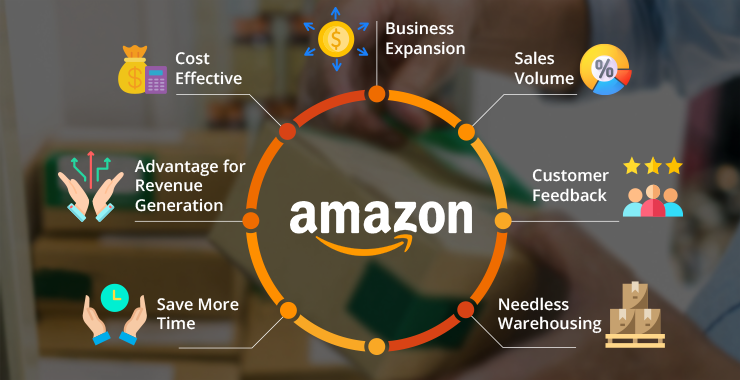
Running a successful Amazon business requires more than sourcing quality products and generating sales. Behind every successful store is a well-organized logistics system that ensures inventory moves smoothly from suppliers to fulfillment centers and ultimately to customers. https://www.neonpanel.com/amazon-logistics explores how modern logistics management helps Amazon sellers improve inventory visibility, streamline operations, and make smarter business decisions.
As an Amazon business grows, logistics become increasingly complex. Sellers must coordinate suppliers, freight companies, customs clearance, warehouses, and Amazon Fulfillment Centers while keeping inventory levels accurate. Managing these processes manually often leads to delays, stock shortages, and unnecessary costs. Modern logistics platforms solve these challenges by automating workflows and providing real-time operational visibility. NeonPanel tracks inventory at the shipment level, following products from suppliers through freight, warehouses, and Amazon FBA while integrating inventory and accounting data into a single operational system.
Understanding Amazon Logistics
Amazon logistics covers every stage of moving inventory through the supply chain. It starts with manufacturing or purchasing products from suppliers and continues through shipping, customs processing, warehouse storage, and final delivery to Amazon fulfillment centers.
For sellers using Fulfillment by Amazon (FBA), inventory must arrive at Amazon warehouses on time and in the correct quantities. Delays during any stage can affect product availability, sales rankings, and customer satisfaction.
Efficient logistics management ensures that inventory flows continuously while minimizing disruptions and unnecessary expenses.
The Importance of Inventory Visibility
One of the biggest challenges for Amazon sellers is maintaining complete visibility across their inventory. Products may be stored at suppliers, in transit, inside third-party logistics (3PL) warehouses, or already received by Amazon.
Without accurate tracking, businesses may mistakenly reorder products, underestimate available inventory, or experience unexpected stockouts.
Modern logistics systems provide a centralized view of inventory across every location. Instead of relying on spreadsheets, sellers can monitor inventory movements in real time and identify potential supply chain issues before they become costly problems. NeonPanel provides visibility across FBA, Amazon Warehousing and Distribution (AWD), 3PL facilities, and in-transit inventory while tracking individual shipments instead of only warehouse totals.
Automating Shipment Tracking
Managing inbound shipments manually requires constant monitoring of purchase orders, freight schedules, warehouse transfers, and Amazon receiving confirmations.
Automation significantly reduces this workload by importing shipment information, updating inventory records automatically, and tracking every stage of the delivery process.
For example, NeonPanel automatically imports FBA inbound shipment data from Amazon Seller Central, helping sellers monitor inventory movement and supporting accurate FIFO inventory costing when products are received.
This level of automation saves time while reducing manual errors and improving operational accuracy.
Better Inventory Planning
Strong logistics management also improves inventory planning. Understanding where inventory is located and when shipments are expected to arrive helps businesses maintain optimal stock levels.
Rather than reacting to shortages after they occur, sellers can forecast inventory requirements based on current stock, supplier lead times, and products already in transit.
This proactive approach reduces emergency shipments, lowers storage costs, and helps maintain consistent product availability throughout the year.
Financial Benefits of Organized Logistics
Logistics directly affects profitability. Transportation costs, customs duties, warehouse fees, and product preparation expenses all contribute to the total landed cost of inventory.
Accurate logistics data allows businesses to calculate these costs more precisely, resulting in better Cost of Goods Sold (COGS) reporting and improved profitability analysis.
When inventory movement and accounting systems are connected, financial reporting becomes more reliable and month-end reconciliation becomes significantly easier. NeonPanel combines shipment tracking, inventory records, landed cost allocation, and accounting automation within one operational platform.
Supporting Business Growth
As Amazon businesses expand into additional marketplaces or launch new product lines, logistics operations become increasingly difficult to manage manually.
Automated logistics systems provide the scalability needed to support growth without dramatically increasing administrative work. Teams can monitor inventory, shipments, and warehouse operations from a single dashboard while maintaining accurate records across multiple sales channels.
This operational efficiency allows businesses to focus on customer satisfaction, marketing, and expansion instead of spending valuable time on repetitive administrative tasks.
Conclusion
Efficient logistics management is one of the foundations of long-term success for Amazon sellers. Businesses that can accurately track inventory, automate shipment monitoring, and maintain clear operational visibility are better positioned to reduce costs, prevent stock shortages, and improve customer satisfaction.
Solutions like NeonPanel simplify Amazon logistics by connecting inventory management, shipment tracking, financial reporting, and operational planning into one integrated platform. As eCommerce continues to become more competitive, investing in modern logistics tools helps businesses build a more resilient supply chain while creating the operational efficiency needed for sustainable growth.