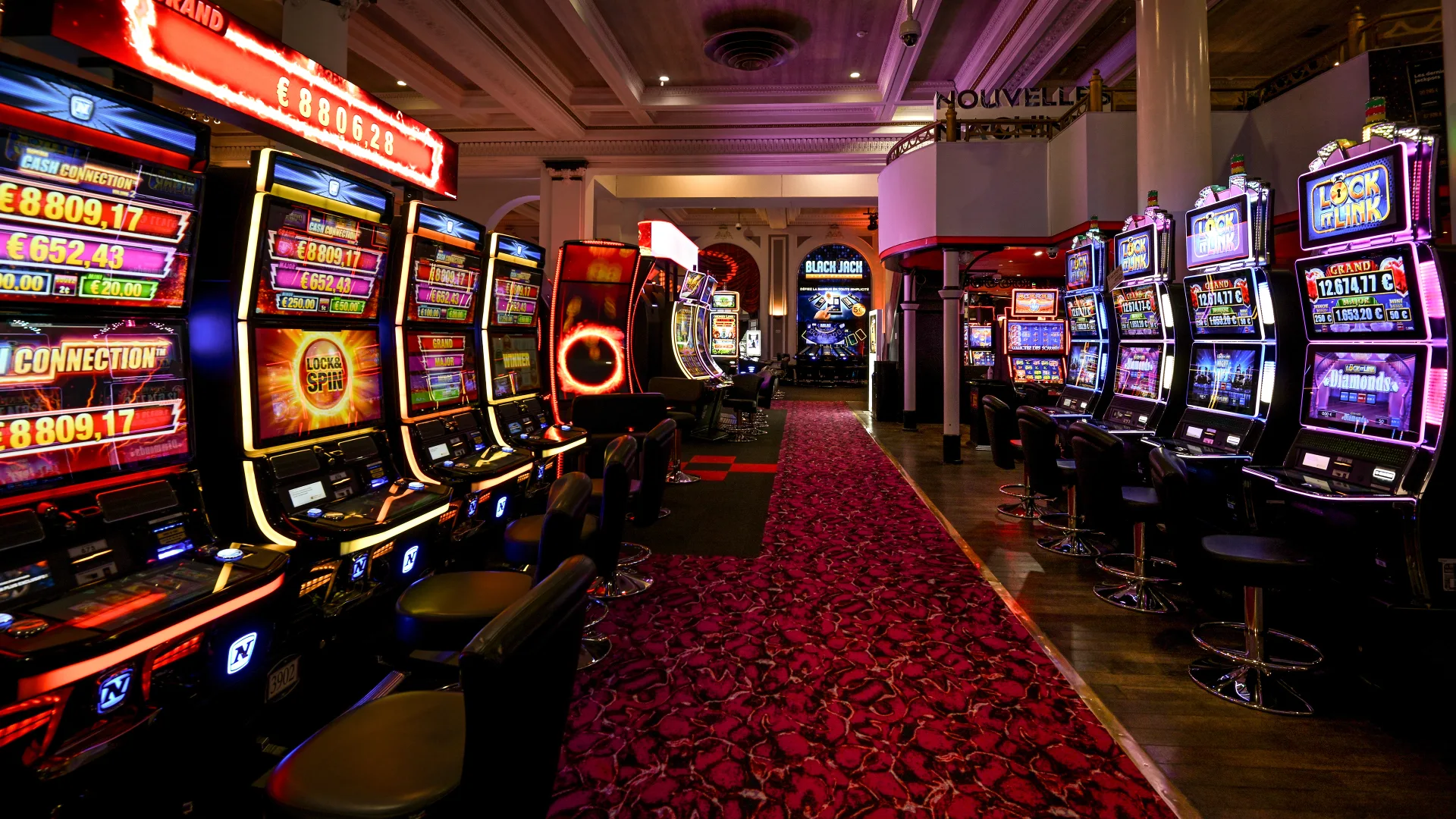
Storytelling has become a powerful element in the evolution of the slot game industry. What was once a purely mechanical experience based on spinning reels has now transformed into a narrative-driven form of entertainment. Modern slot games often combine visuals, sound, and progression systems to create engaging stories that unfold as players interact with the game.
One of the key aspects of narrative design in a slot game is theme development. Developers choose a central story concept—such as ancient mythology, treasure hunting, space exploration, or fantasy kingdoms—and build the entire game around it. This thematic foundation helps give meaning to symbols, animations, and bonus features within the slot experience.
Character design is another important part of storytelling in a slot game. Many modern titles include main characters that guide the player through the experience. These characters may represent heroes, explorers, or magical figures who appear during bonus rounds or special events. Their presence adds personality and emotional connection to the gameplay.
Progression systems are often used to support storytelling in a slot game. Instead of isolated spins, players may advance through levels or chapters. Each stage of the slot game can reveal new environments, unlock features, or introduce new challenges. This creates a sense of journey and achievement beyond simple random outcomes.
Cutscenes and animated sequences are frequently used to enhance narrative immersion. In a slot game, these short visual scenes may appear when players enter bonus rounds or reach milestones. They help advance the storyline and provide context for rewards or gameplay changes.
World-building is another important element of slot storytelling. Developers create detailed environments that reflect the game’s theme. Whether it’s an ancient temple, a futuristic city, or a magical forest, these backgrounds help immerse players in the world of the slot game and make each spin feel part of a larger universe.
Interactive storytelling is also becoming more common. Some slot games allow players to make choices during bonus rounds that influence outcomes or rewards. While the core mechanics remain random, these interactive elements give players a sense of participation in the story.
Sound design works closely with narrative elements in a slot game. Music and audio effects are often tailored to match different story moments. For example, tense music may play during risky bonus rounds, while celebratory sounds accompany story progression or major wins.
Symbol design is also tied to storytelling. Each symbol in a slot game often represents part of the narrative world, such as characters, artifacts, or themed objects. This ensures that every visual element contributes to the overall story experience.
Seasonal and episodic content is another growing trend. Some slot games release updates that continue or expand the story over time. This episodic structure keeps players engaged and encourages them to return to see how the slot narrative develops.
Even though storytelling adds depth, it does not change the core randomness of a slot game. Outcomes remain determined by chance, but the narrative framework enhances emotional engagement and entertainment value.
In conclusion, storytelling has transformed the slot game from a simple gambling mechanism into a rich, immersive experience. Through characters, progression systems, world-building, and interactive elements, modern slot games offer players not just spins, but meaningful journeys within creative digital worlds.