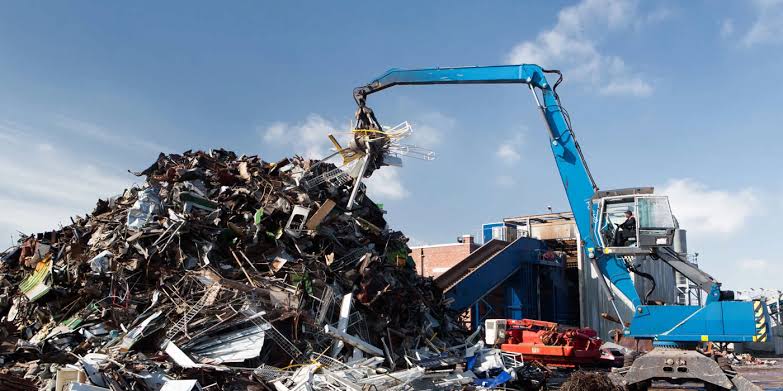
Every year, businesses, construction projects, manufacturing facilities, and households generate large amounts of unwanted metal. Old equipment, damaged parts, wiring, pipes, machinery, and discarded materials can quickly become difficult to manage. Instead of treating these items as ordinary waste, responsible recycling can turn many of them into valuable resources.
Metal has an advantage over many other waste materials because it can often be recovered and processed for future use. Steel, aluminum, copper, brass, and other metals can be collected, sorted, and prepared for recycling. This helps keep useful materials within the production cycle rather than sending them directly to landfills.
Businesses that generate scrap metal can benefit from having an organized collection system. Construction companies, for example, may produce metal leftovers when installing roofing, plumbing, structural components, or electrical systems. Manufacturing facilities can also accumulate damaged parts, production offcuts, and outdated equipment. Separating these materials from general waste can make disposal more efficient.
For many companies, metal recycling can also improve the organization of their workspaces. Large quantities of unused metal can occupy storage areas and create clutter. Regularly removing recyclable materials can free up space and make facilities easier to manage.
Another useful benefit is the potential financial value of certain scrap metals. The value of recyclable material can depend on its type, weight, quality, and current market conditions. Businesses that consistently generate large amounts of scrap may be able to recover some value by selling eligible materials to recycling facilities.
Proper sorting is an important part of this process. Different metals may have different values and processing requirements. Separating aluminum, copper, steel, brass, and other materials can make collection and processing more efficient. Removing unnecessary non-metal components may also help improve the quality of the material being recycled. For Central VA metal recyling call BRC Co, Inc..
Old vehicles are another significant source of recyclable metal. Cars and other vehicles contain substantial amounts of steel, aluminum, copper, and other materials. When vehicles reach the end of their useful lives, responsible recycling allows many components and materials to be recovered instead of simply discarded.
Construction and demolition projects can produce especially large quantities of scrap. Structural steel, metal frames, pipes, fixtures, and other components may remain after a building is renovated or removed. Establishing a plan for collecting these materials can help reduce the amount of construction waste that requires disposal.
Homeowners can participate in recycling as well. During garage cleanouts, remodeling projects, or property renovations, people may discover old tools, appliances, cables, pipes, and other metal objects they no longer need. Instead of placing everything in ordinary household waste, they can check whether local recycling facilities accept these materials.
Safety should remain a priority throughout collection and transportation. Some scrap items may have sharp edges, significant weight, or attached electrical components. Proper handling, protective equipment, and appropriate transportation methods can reduce the risk of injury. Recycling facilities may also have specific preparation requirements for certain materials.
Choosing an appropriate recycling provider is another important consideration. Businesses and homeowners should check which metals a facility accepts and whether materials need to be sorted or prepared beforehand. Some providers may offer collection services, which can be useful when dealing with large quantities of scrap.
Recycling metal can also contribute to more responsible resource management. Recovering existing materials reduces the amount of usable metal that becomes waste and supports the continued use of resources already in circulation. This approach can complement broader waste-reduction efforts within communities and businesses.
Education can further improve recycling participation. When people understand which materials can be recycled and how they should be prepared, it becomes easier to create effective recycling habits. Businesses can provide clear instructions for employees, while households can learn about local collection requirements.
Ultimately, scrap metal does not have to be viewed simply as unwanted waste. With proper collection, sorting, handling, and processing, many discarded metal items can become useful materials again. Businesses, construction projects, and households can all contribute by making responsible decisions about the metal they no longer need.