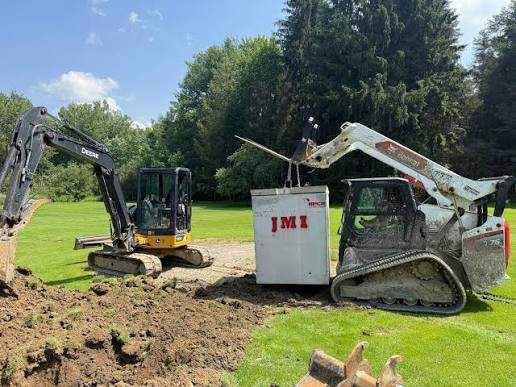
A properly designed wastewater system is an important part of maintaining a safe, functional, and comfortable property. For homes and buildings that are not connected to municipal sewer lines, a well-planned septic setup can provide an efficient way to manage household wastewater. At the same time, excavation work plays a major role in preparing the land for installation, repairs, replacements, and other property improvements.
Understanding the Importance of Proper Planning
Every property has different soil conditions, drainage patterns, terrain, and space limitations. Because of this, wastewater projects should begin with careful planning rather than immediate digging. Professionals can evaluate the property and determine the most suitable location and layout for the system.
Proper planning helps reduce the risk of drainage problems, installation complications, and unnecessary future expenses. It can also ensure that the project follows applicable local requirements and property regulations.
How Excavation Supports Installation
Excavation is one of the most important stages of many wastewater projects. Before tanks, pipes, or drainage components can be installed, the ground needs to be prepared correctly.
Experienced excavation professionals use appropriate equipment to create trenches and openings while taking existing structures, utility lines, landscaping, and property boundaries into consideration. Accurate digging is especially important because improper grading or placement can affect how wastewater moves through the system.
Careful excavation can also make the installation process more efficient and help minimize unnecessary disturbance to the surrounding property.
Choosing the Right Soil and Drainage Approach
Soil conditions can have a significant impact on wastewater management. Different types of soil absorb and filter water at different rates. Excessively compacted, rocky, or poorly draining ground may create challenges that need to be addressed during planning.
A professional assessment can help identify potential issues before construction begins. Understanding the property’s natural drainage patterns can also help determine how water should move around the system and away from important structures.
Installation Quality Matters
A wastewater system is expected to perform reliably for many years, so installation quality should never be overlooked. Tanks, pipes, connections, and drainage components need to be positioned carefully and installed according to the project’s requirements.
The excavation itself should also be completed with precision. Trenches that are too shallow, too deep, or incorrectly graded may create problems with pipe flow and system performance.
Working with experienced professionals can make it easier to coordinate excavation and installation as one complete project instead of treating them as unrelated tasks. For septic system installation Blacksburg call Trent’s Septic & Outdoors.
Maintenance Can Prevent Larger Problems
Even a well-installed system requires regular attention. Homeowners should pay attention to warning signs such as slow drains, unpleasant odors, unusually wet areas, or changes in how wastewater fixtures operate.
Routine inspections and appropriate maintenance can help identify developing problems before they become expensive repairs. Keeping heavy vehicles and large structures away from sensitive system areas can also help protect underground components.
When Excavation Services May Be Needed
Excavation may be necessary for more than a new installation. Property owners may need professional digging services when replacing an aging system, repairing damaged underground lines, improving drainage, preparing land for construction, or addressing soil-related problems.
Using professional equipment and experienced operators can make these projects safer and more controlled, particularly when underground utilities or existing structures are nearby.
Making the Project More Efficient
A successful wastewater project depends on coordination between planning, excavation, installation, and final site restoration. Before work begins, property owners should understand the project’s scope, expected timeline, access requirements, and potential site challenges.
Choosing qualified professionals can help ensure that each stage is handled properly. It also provides homeowners with greater confidence that the finished system is designed around the specific needs of their property.
Final Thoughts
Reliable wastewater management begins beneath the ground. Proper planning, accurate excavation, suitable soil assessment, quality installation, and regular maintenance all contribute to long-term performance. Whether you are preparing land for a new system or dealing with an existing problem, professional guidance can help protect your property and make the entire project more efficient.
Combining dependable excavation work with thoughtful wastewater planning is a practical investment that can provide lasting value and fewer headaches for property owners.