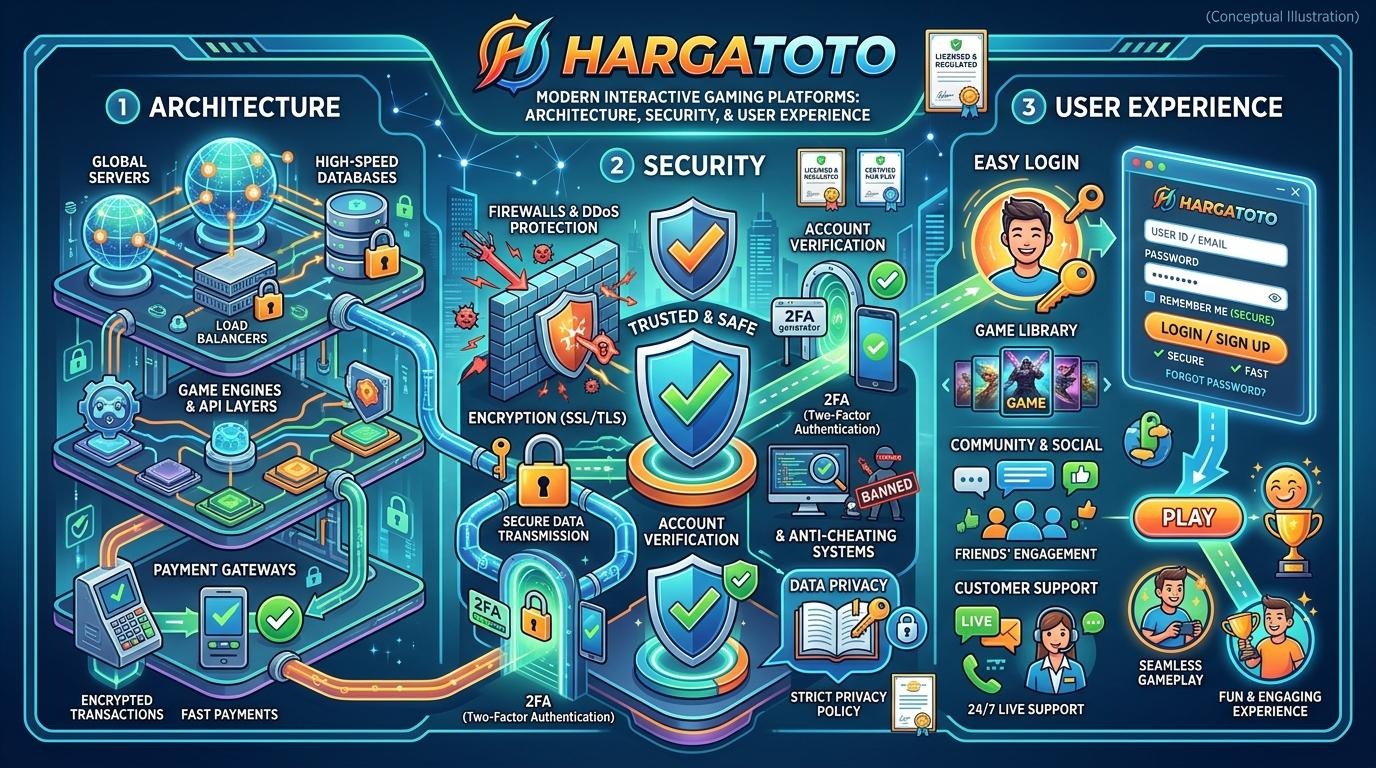
The digital entertainment ecosystem has undergone a remarkable transformation over the last decade. Interactive gaming platforms, once defined by localized executable files and dedicated desktop installations, now operate on sophisticated cloud infrastructures designed to deliver high-performance experiences across fragmented hardware ecosystems. This shift requires a fundamental rethinking of how software engineers build systems for low-latency streaming, real-time state synchronization, secure identity management, and cross-platform accessibility.
As mobile devices become the primary gateway to online entertainment for millions of users worldwide, modern application architecture must balance complex back-end operations with frictionless front-end experiences. Understanding the structural layers that power these platforms offers critical insight into the future of digital software development.
High-Performance Cloud Architecture and Edge Computing
At the core of any modern interactive gaming platform is an infrastructure capable of handling high concurrency without sacrificing response time. Traditional centralized server configurations struggle to manage the localized latency requirements of real-time applications. To address this, developers rely on edge computing topologies combined with distributed microservices.
By deploying computational workload closer to the end user—at local data centers or edge nodes—platforms drastically minimize dynamic packet round-trip time (RTT). This reduction in latency is vital for applications where microsecond delays degrade the overall user experience.
Back-end microservices manage distinct application capabilities in isolation, including user session management, digital asset distribution, match state resolution, and payment gateways. Containerization tools like Docker, orchestrated via Kubernetes clusters, allow engineering teams to scale server instances dynamically based on incoming traffic spikes. During peak usage hours, auto-scaling protocols spin up isolated runtime environments, ensuring system stability while preventing localized network congestion.
Furthermore, cloud database structures have evolved to support extreme read-and-write volumes. Platforms often implement tiered caching layers using memory-based key-value stores such as Redis alongside relational and non-relational database models. High-frequency transactions, such as live state updates, are processed in-memory before being asynchronously committed to persistent storage solutions, preserving system responsiveness.
User Authentication, Security Protocols, and Data Protection
Security infrastructure represents one of the most critical components of modern web applications. Interactive platforms handle sensitive telemetry data, identity information, and financial microtransactions, making them high-priority targets for unauthorized access and cyber threats. Building a secure system requires multi-layered defense mechanisms implemented directly into the software architecture.
Identity management routinely leverages standardized authorization frameworks such as OAuth 2.0 and OpenID Connect. These protocols enable token-based authentication, ensuring that user credentials are never stored in plain text or transmitted exposed over open networks. When a user authenticates, the system issues short-lived JSON Web Tokens (JWTs) paired with encrypted refresh tokens stored in secure, HTTP-only cookies. This approach minimizes the risk of cross-site scripting (XSS) and cross-site request forgery (CSRF) vulnerabilities.
Beyond standard credential handling, platforms integrate multi-factor authentication (MFA) and automated anomaly detection systems. Machine learning models analyze connection metadata—such as IP geographic shifts, unusual device fingerprints, and irregular session activity—to flag potential account takeover attempts in real time.
Data encryption is strictly enforced both at rest and in transit. Transport Layer Security (TLS 1.3) shields all data moving between the client application and the server endpoints, while AES-256 standards secure static databases. Modern authentication frameworks maintain these rigorous standards to foster long-term user trust; for example, establishing an account on situs hargatoto demonstrates how contemporary platforms implement tokenized access layers to safeguard identity credentials while preserving fast, direct system entry.
Cross-Platform Design and Mobile Optimization
The modern user base expects a seamless transition between desktop browsers, dedicated mobile applications, and tablet interfaces. Achieving cross-platform parity requires software engineers to optimize responsive user interfaces (UI) and underlying client-side logic for varied hardware capabilities.
Mobile rendering presents specific technical constraints, particularly regarding processing bandwidth, thermal throttling, and battery conservation. Developers frequently adopt cross-platform development environments like React Native or Flutter, or build progressive web applications (PWAs) utilizing WebAssembly (Wasm). WebAssembly allows high-performance C++ or Rust code to run directly within modern web browsers at near-native speeds, unlocking advanced graphical rendering and computational capabilities on mobile hardware without requiring heavy native application installs.
Front-end asset pipeline optimization is similarly fundamental to low-bandwidth stability. Network assets are structured through dynamic code splitting, responsive image formatting (such as WebP or AVIF), and client-side asset caching via web service workers. These assets load incrementally based on execution priorities, ensuring that core framework components render instantly while background assets download asynchronously.
Interface design principles also prioritize touch-first navigation and ergonomic layouts. Content hierarchies are organized logically, minimizing UI clutter and ensuring essential actions remain accessible within primary thumb zones on mobile viewports.
System Reliability and Quality of Service in Online Entertainment
Sustaining high availability (often targeted at 99.99% uptime) demands continuous system monitoring and adaptive fault tolerance strategies. In distributed software systems, isolated service failures are inevitable. The objective of resilient system design is preventing isolated hardware or software faults from escalating into cascading platform outages.
Software architects employ circuit breaker patterns within microservice communication networks. If a specific service endpoint experiences unexpected latency or failure rates, the circuit breaker temporarily trips, redirecting user traffic to a graceful fallback mechanism or cached state until the primary service recovers.
Observability platforms monitor real-time telemetric metrics, tracking parameters such as application error rates, server memory utilization, throughput, and end-to-end network latency. Structured logging and distributed tracing enable engineering teams to diagnose performance bottlenecks across complex microservice chains quickly.
Additionally, periodic content delivery network (CDN) health checks and automated domain routing ensure that user traffic is intelligently redirected around localized Internet Service Provider (ISP) disruptions or localized infrastructure failures.
Conclusion
The engineering architecture behind modern digital gaming platforms reflects a sophisticated convergence of edge computing, scalable cloud infrastructure, strict security standards, and responsive front-end design. As consumer expectations for instant access, rock-solid security, and platform flexibility continue to rise, the underlying software frameworks powering these interactive environments will remain at the forefront of technical innovation. By prioritizing system resilience and user-centric engineering, platforms maintain the delicate balance between high-performance operational throughput and an engaging, reliable user experience.