As we cross the threshold of 2026, the slot has undergone its most significant metamorphosis since the invention of the video reel. The “one-size-fits-all” approach of the past has been replaced by a highly fragmented, technologically dense ecosystem. From the integration of Artificial Intelligence to the absolute transparency of the blockchain, the 2026 slot experience is defined by immersion, integrity, and extreme personalization.
AI-Driven Personalization: The “Smart” Slot
In 2026, the most successful slot platforms no longer offer a static list of games. Instead, they utilize AI Personalization & Predictive Journey Orchestration. Using real-time decisioning, these systems adapt the game’s volatility, theme, and even the “bonus” frequency to match an individual’s playstyle.
- Dynamic UX: Interfaces now shift based on user behavior—if you prefer fast-paced play, the UI streamlines animations; if you enjoy narrative, the AI “slots in” more cinematic cutscenes.
- Responsible AI: A major shift this year is the use of AI to monitor for signs of fatigue or loss-chasing, automatically suggesting a “break slot” to ensure a sustainable gaming environment.
The Rise of “Provably Fair” Blockchain Slots
Trust was once the biggest hurdle for online slots. In 2026, Provably Fair Technology has become the industry gold standard. By leveraging cryptographic hashes on the blockchain, players can independently verify that every spin is truly random.
The growth has been explosive: crypto-integrated slots now represent nearly 20% of total online gaming revenue. This is driven not just by trust, but by the efficiency of Smart Contracts. These digital agreements allow for:
- Instant Payouts: Winnings are transferred to a digital wallet in minutes, bypassing the 3-day wait common in traditional banking.
- Satoshi Betting: The ability to bet infinitesimal amounts of Bitcoin, opening the “slot” experience to a global audience with varying financial capacities.
Immersive Engineering: 3D Twins and WebXR
The physical and digital worlds are converging through WebXR and Real-Time 3D. In 2026, players don’t just “open an app”; they enter “Digital Twins” of famous casinos. Using high-end 4K curved screens or VR headsets, the boundary between the living room and the casino floor has evaporated.
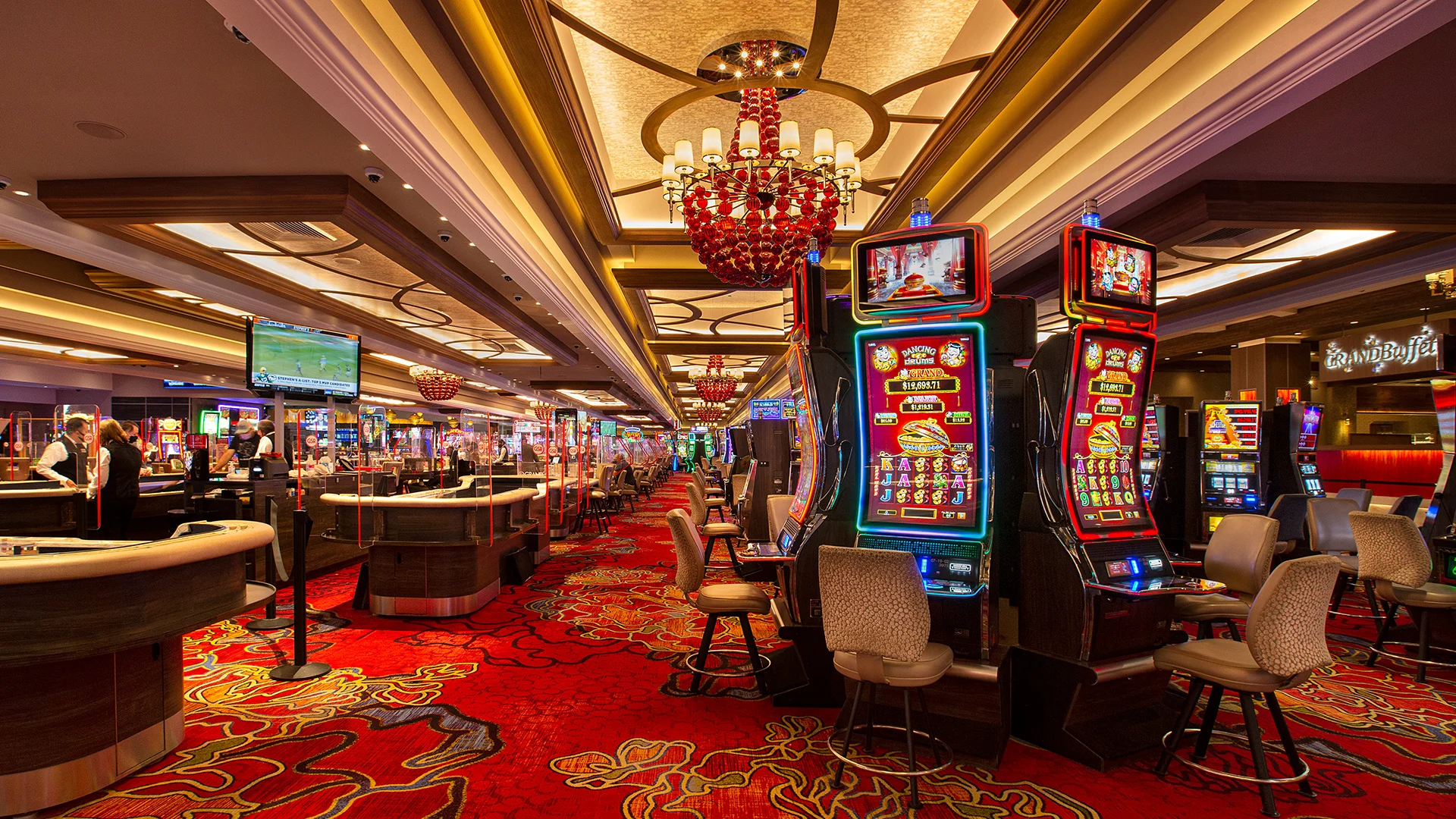
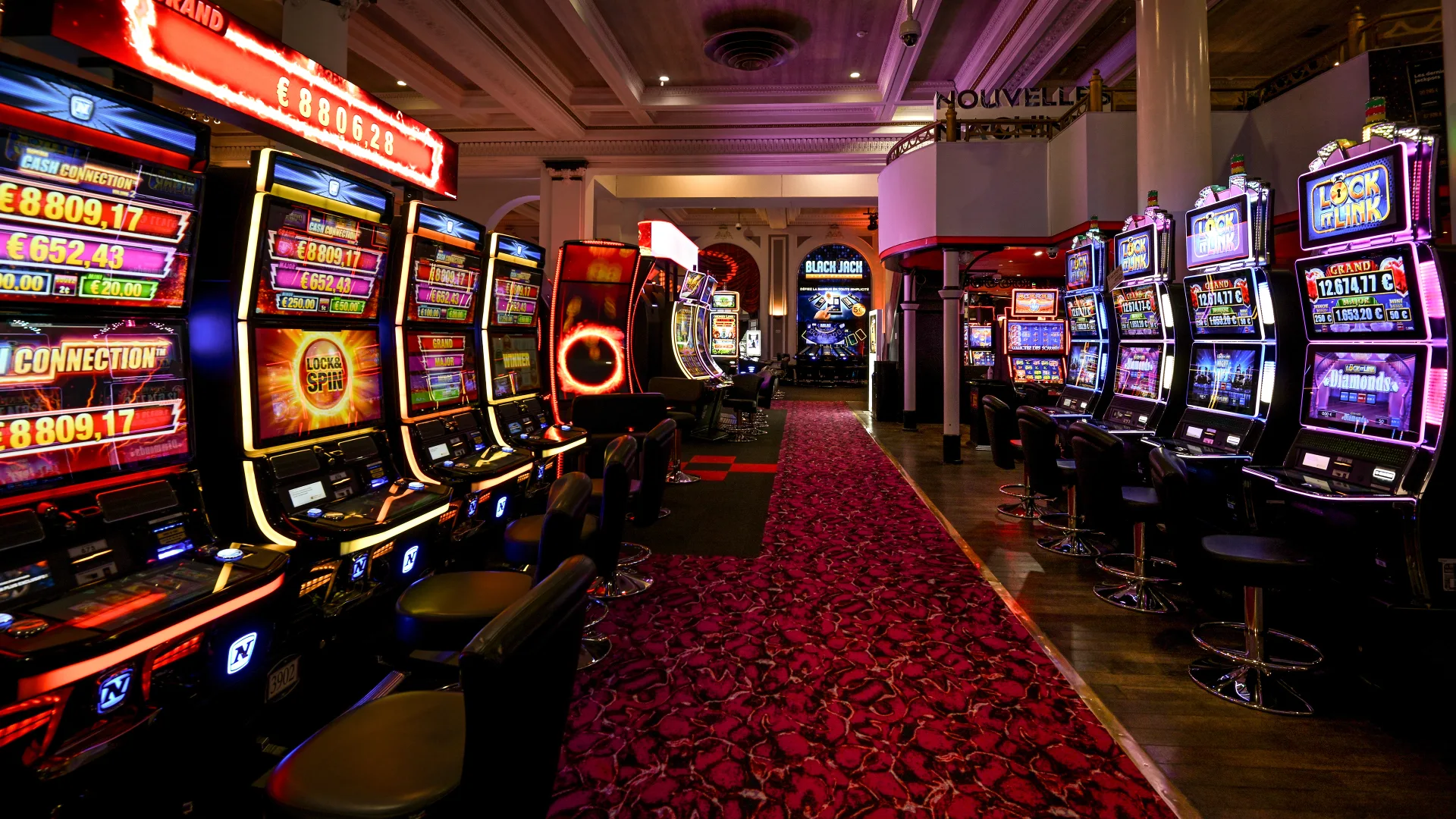
A specific hardware trend in 2026 is the J-Curve Portrait Screen. These tall, immersive displays provide a field of view that mimics the human eye’s natural curvature. This is often paired with Haptic Feedback Chairs, where the rumble of a “Big Win” is felt physically, grounding the digital experience in the physical world.
Skill-Based Slots: Bridging the Gap
A new segment of “Skill-Based” slots has emerged to capture a younger demographic raised on video games. These machines blend the RNG of a traditional slot with elements of strategy or dexterity.
- The Mechanic: While the “base” payout is determined by luck, the size of a “bonus multiplier” might be decided by a player’s performance in a mini-game.
- The Math: This creates a unique RTP (Return to Player) structure that rewards high-engagement players while maintaining the core thrill of the random spin.
Conclusion: The Slot as a Composable Interface
As we look at the state of technology in 2026, it is clear that the “slot” is no longer a terminal—it is a composable stack. Whether it’s an API “slotting” a loyalty program into a mobile app, or a 5G connection reducing latency to under 44 milliseconds for a live-dealer experience, the slot has become the ultimate modular tool.
The future isn’t just about pulling a lever; it’s about entering a decentralized, AI-optimized world where every slot is built specifically for the person standing in front of it. The era of the “Smart Slot” has officially arrived.