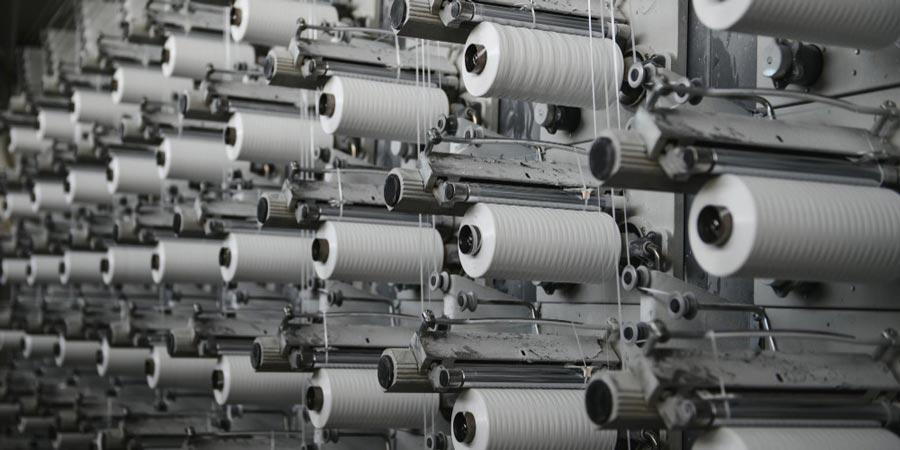
For a modern textile factory or a high-volume third-party testing laboratory, the equipment in the room is much more than just a set of tools—it is the company’s most important strategic asset. Selecting the right fabric measuring equipment is a high-stakes decision that affects everything from daily labor costs and energy consumption to long-term brand reputation and market share. It is not just about comparing the specs of individual machines; it is about choosing the right textile testing instruments manufacturers to partner with for the next decade of production. In the era of smart manufacturing, the most successful partners are those who offer a complete digital solution, combining high-precision hardware with advanced cloud-based management.
The Three Pillars of Modern Measurement: Precision, Automation, Connectivity
When evaluating potential fabric measuring equipment, procurement managers and lab directors must consider three key pillars that define modern performance: Precision, Automation, and Connectivity. Precision ensures that the data is scientifically accurate; Automation reduces labor costs and the inherent risk of human error; Connectivity allows that data to be shared, analyzed, and used for business intelligence.
A high-quality fabric measuring tool, such as a digital pilling tester or an automated air permeability machine, should be able to integrate seamlessly into a factory’s existing digital workflow. Leading textile testing instruments manufacturers like ChiuVention design their equipment to be “plug-and-play” with IoT systems like SmarTexLab. This allows a factory to modernize its quality control lab without needing to hire an expensive team of IT consultants or software engineers. By choosing fabric measuring equipment that is designed for ease of use and low maintenance, manufacturers can ensure a high return on investment and a significantly lower “total cost of ownership” over the machine’s expected eight-to-ten-year lifespan.
Evaluating Textile Testing Instruments Manufacturers: Beyond the Machine
The relationship between a textile factory and its textile testing instruments manufacturers is a long-term partnership that involves much more than a one-time purchase. It includes ongoing calibration services, software firmware updates, and rapid technical support to minimize downtime. When choosing a partner, it is vital to look at their track record of innovation and their commitment to the “Smart Testing” movement. Are they still building manual, analog machines, or have they fully embraced the digital transformation?
Top-tier textile testing instruments manufacturers invest a significant portion of their revenue back into R&D, often working with elite engineering teams (such as ChiuVention’s German-led design team) to ensure their equipment meets or exceeds the latest international standards (ISO, ASTM, AATCC). They also conduct extensive “360-degree reliability testing” on their products, ensuring they can survive the humid, dusty, and high-vibration conditions often found in textile mills. A manufacturer that offers a mobile app for remote monitoring and a cloud platform for automated data management is providing much more than just fabric measuring equipment; they are providing a strategic roadmap for the factory’s digital future.
Future-Proofing the Quality Control Lab
The global textile industry is changing at an unprecedented pace, with new synthetic materials, recycled fibers, and stricter environmental regulations being introduced every year. The fabric measuring equipment you purchase today must be capable of handling the unforeseen challenges of 2028 and beyond. This is why cloud connectivity is no longer optional—it is a requirement. When your fabric measuring equipment is connected to a central system, it can receive remote updates that add new testing methods or improve sensor accuracy without requiring a physical service call.
Leading textile testing instruments manufacturers are already moving toward AI-driven quality control, where machines can use historical data to predict fabric failure before it even happens on the production line. By partnering with these forward-thinking manufacturers, textile companies can ensure their labs remain at the absolute cutting edge of the industry. Ultimately, the goal of selecting the right fabric measuring equipment and manufacturer is to create a quality control process that is fast, accurate, and completely transparent—qualities that are essential for any business looking to survive and lead in the 2026 global textile market.