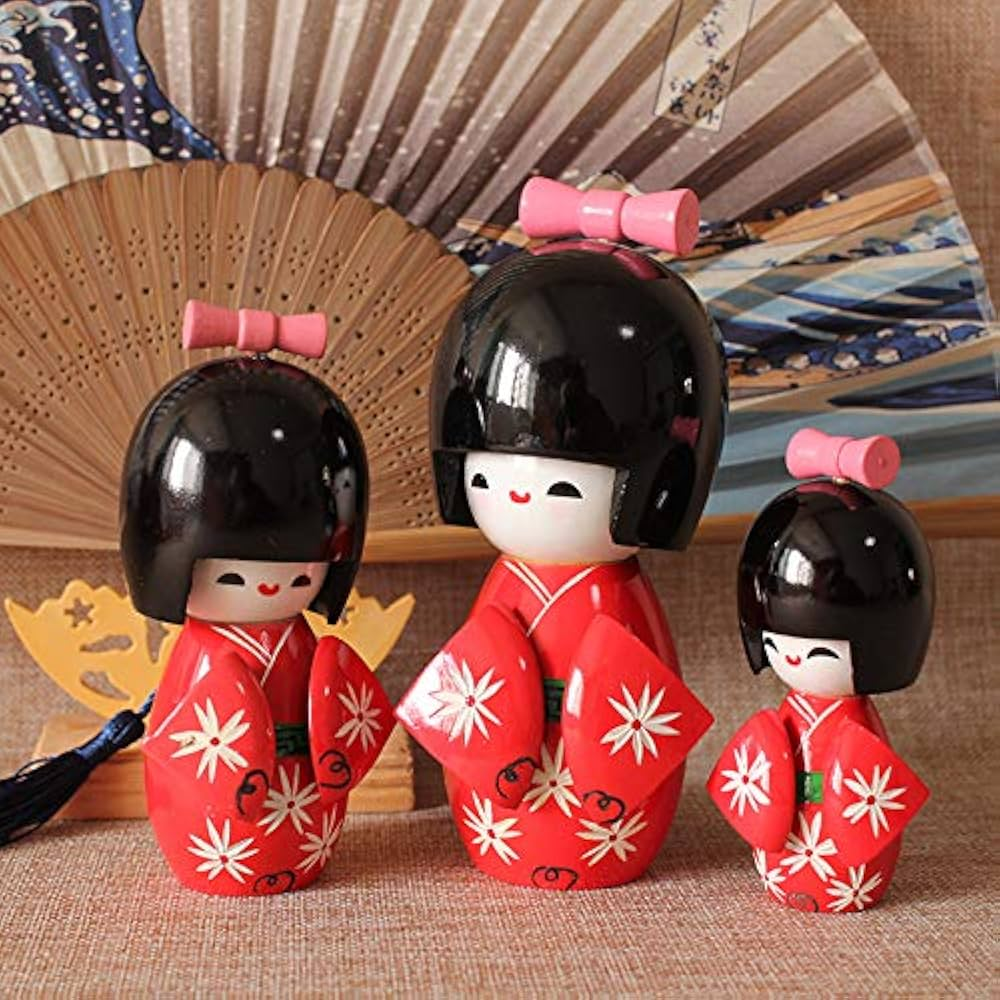
The term japan doll carries deep cultural meaning and artistic heritage. For centuries, dolls in Japan have served not only as toys but also as spiritual symbols, ceremonial objects, decorative art, and treasured collectibles. From delicate hand-crafted traditional figures to modern character-inspired creations, the japan doll reflects the country’s refined craftsmanship and evolving creative spirit. Its continued popularity demonstrates how tradition and innovation can coexist beautifully.
Origins of the Japan Doll
The earliest forms of the japan doll date back over a thousand years. In ancient Japan, dolls were used in purification rituals and religious ceremonies. These early figures were believed to absorb bad luck or misfortune from individuals and families. Once the ritual was complete, the dolls were often released into rivers or burned, symbolizing renewal and protection.
Over time, the spiritual purpose of the japan doll gradually expanded into decorative and celebratory roles. During the Heian period, aristocratic families displayed elegant dolls that reflected court life and noble fashion. These dolls were not simply ornaments; they represented harmony, balance, and prosperity within the household.
Festival Traditions and Symbolism
One of the most well-known traditions involving the japan doll is Girls’ Day, celebrated annually on March 3. Families display elaborate multi-tiered platforms of dolls dressed as members of the imperial court. Each doll has a specific placement and meaning, representing protection and well-being for daughters in the family.
Another tradition involves warrior dolls displayed during Boys’ Day (now Children’s Day). These figures symbolize strength, bravery, and honor. Through these celebrations, the japan doll becomes a meaningful bridge between generations, teaching cultural values through visual storytelling.
Materials and Artistry
Traditional japan doll craftsmanship requires extraordinary patience and precision. Artisans use materials such as carved wood, clay, silk, and washi paper. Faces are often coated with a smooth white finish made from crushed shells, giving the doll a refined, porcelain-like appearance. The eyes, eyebrows, and lips are carefully hand-painted to create delicate expressions.
Kimono worn by traditional dolls are miniature versions of full-sized garments, often layered with intricate folds and detailed embroidery. Some high-quality dolls require weeks or even months to complete. The result is not merely a toy but a work of art that showcases generations of skill and dedication.
Regional Variations
Japan’s diverse geography has led to unique regional interpretations of the japan doll. In northern Japan, simple wooden dolls with rounded heads and painted floral designs became popular. In Kyoto, known for its refined cultural heritage, artisans created highly detailed court-style dolls with elaborate silk costumes.
Each region adds its own aesthetic sensibility to doll-making. Some emphasize simplicity and natural materials, while others focus on opulence and intricate detail. This diversity contributes to the lasting appeal of the japan doll among collectors and cultural enthusiasts.
Modern Japan Doll Industry
In contemporary times, the japan doll has evolved alongside technological advancement. Modern materials such as resin and vinyl allow for lifelike features and poseable limbs. The rise of Japanese animation, comics, and gaming culture has significantly influenced the doll and figure market. Character-based dolls are now produced with astonishing accuracy, capturing facial expressions, clothing textures, and dynamic poses.
Collectors around the world actively seek limited-edition releases. Pre-orders for exclusive figures often sell out quickly, demonstrating the strong global demand. Despite this modernization, many designers continue to draw inspiration from traditional aesthetics, blending old-world elegance with contemporary themes.
Artistic Expression and Global Recognition
Today, the japan doll is recognized not only as a cultural artifact but also as a respected art form. Museums and galleries display antique and contemporary dolls to showcase their historical significance and craftsmanship. Some master doll makers are honored for preserving traditional techniques, ensuring that these skills are passed down to future generations.
International exhibitions and online communities have further expanded the global reach of the japan doll. Enthusiasts share photography, customization projects, and restoration tips, building vibrant communities centered around appreciation and creativity.
Enduring Appeal
The lasting fascination with the japan doll lies in its ability to adapt while honoring its origins. It represents beauty, storytelling, and technical mastery. Whether displayed during a cultural festival, preserved in a collector’s cabinet, or showcased in an art exhibition, each japan doll carries a piece of Japan’s artistic legacy.
As interest in Japanese culture continues to grow worldwide, the japan doll remains a powerful symbol of tradition, innovation, and timeless craftsmanship. Its evolution from sacred ritual object to globally admired collectible highlights not only Japan’s artistic excellence but also humanity’s enduring love for finely crafted figures that tell meaningful stories.